
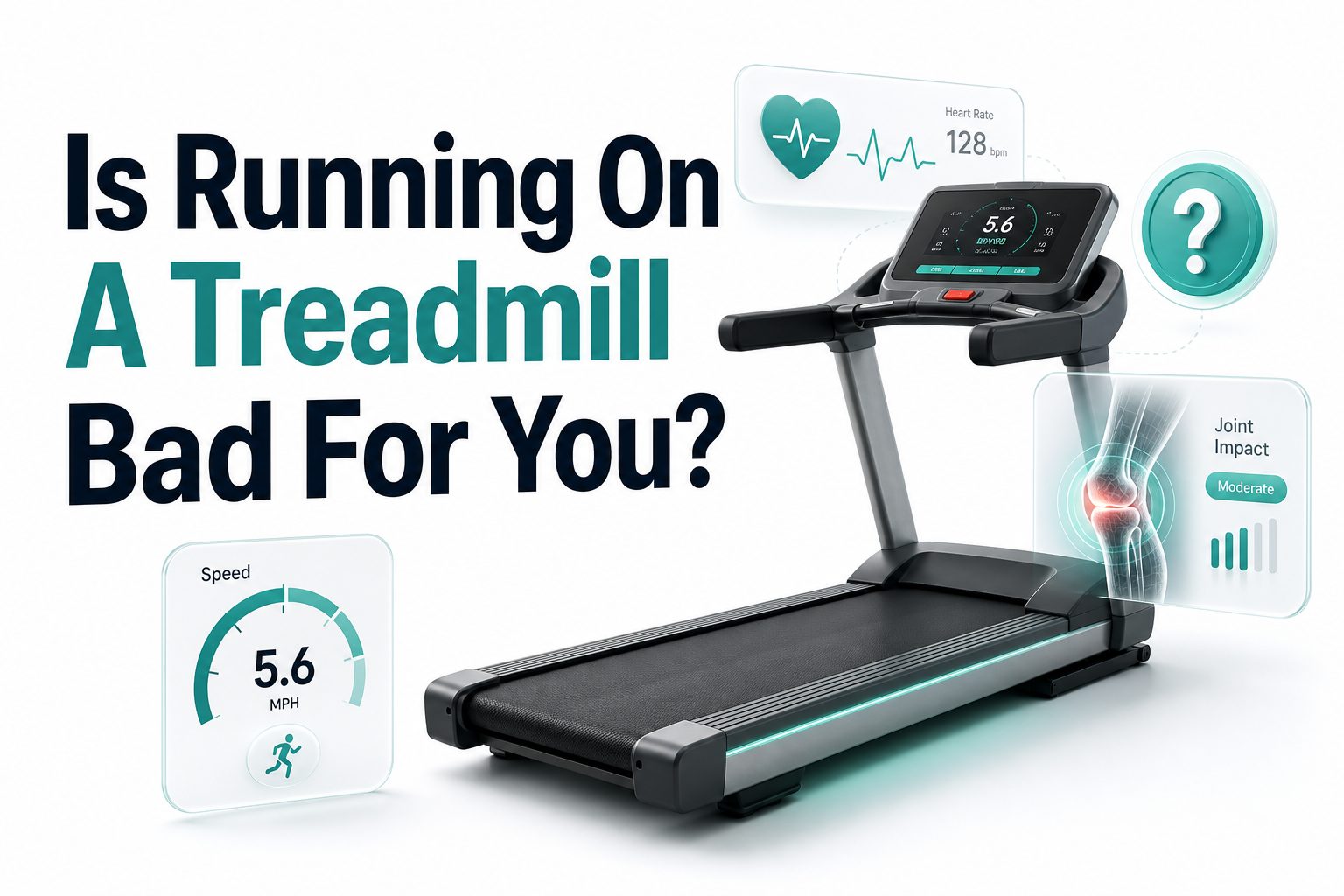
Using a treadmill well starts with comfort, control, and steady progress. Many beginners step on, press start, and hope for the best, but a better approach helps reduce strain and makes every session more productive.
A treadmill can support walking, jogging, interval training, warmups, and structured cardio routines. The key is learning the controls, choosing the right pace, and building confidence before increasing speed or incline.
This guide explains how to use a treadmill in a practical, simple way. You will learn setup basics, posture, pace selection, workout structure, safety habits, and common mistakes to avoid during regular training.
Getting Ready Before You Start
Wear supportive athletic shoes that feel stable from heel to toe. Avoid loose footwear, sandals, or worn-out shoes, because poor support can affect balance and increase stress on your knees, ankles, and lower back.
Choose breathable clothing that lets you move freely. Long, loose fabric can catch near the belt, so fitted workout clothes are usually safer. Keep a towel and water nearby, especially for longer or faster sessions.
Before stepping on the belt, check that the treadmill is stable and clear around all sides. Place your phone, keys, and bottle where they will not fall onto the moving belt during your workout.
Key points for your first treadmill session
Start with a slow walking pace.
Use the safety clip when available.
Keep your eyes forward.
Avoid stepping onto a fast-moving belt.
Increase speed gradually.
Hold the rails only when needed.
End with a cooldown walk.
Learning the Treadmill Controls
Most treadmills have speed, incline, start, stop, pause, and preset workout buttons. Spend a minute looking at the console before beginning, because knowing where everything is helps you stay calm while moving.
Speed is usually shown in miles per hour or kilometers per hour. A gentle walk may feel comfortable around 2.0 to 3.0 miles per hour, while jogging and running require higher speeds based on fitness level.
Incline raises the front of the treadmill to mimic uphill movement. Even a small incline can make walking harder, so begin flat or low before adding more challenge to your cardio routine.
Safe Mounting and Starting
Stand on the side rails before pressing start. This lets the belt begin moving without pulling your feet unexpectedly. Once the belt moves slowly, step on with one foot, then the other, and settle into a natural stride.
Begin at a pace that feels easy enough to control. Your first minute is not for performance. It is a chance to find balance, relax your shoulders, and match your steps to the belt.
Clip the safety key to your clothing if the treadmill has one. If you slip or drift too far back, the clip pulls out and stops the machine, reducing the chance of a worse fall.
Proper Walking Posture
Good posture makes treadmill walking smoother and more comfortable. Keep your head up, shoulders relaxed, chest open, and arms bent naturally. Looking down too often can change your balance and create neck tension.
Let your feet land beneath your body instead of reaching too far forward. Overstriding can create a braking effect, which may increase impact on your joints and make walking feel awkward.
Use the handrails lightly if you need balance, but avoid leaning on them throughout the workout. Heavy rail use changes your posture and reduces the effort your legs and core would normally provide.
Simple posture checklist
Head facing forward.
Shoulders relaxed.
Arms swinging naturally.
Hands off the rails when comfortable.
Feet landing under your hips.
Stride smooth and controlled.
Breathing steady and relaxed.
Choosing the Right Speed
The right speed depends on your current fitness, goal, and comfort. Beginners usually benefit from a pace that allows conversation. If you cannot speak in short sentences, the pace may be too high.
For walking workouts, adjust speed in small steps. A change from 2.8 to 3.2 miles per hour can feel bigger than expected, especially if you are new to indoor cardio training.
Runners can use the treadmill to control pace with precision. Instead of chasing speed early, focus on smooth movement, steady breathing, and a rhythm you can maintain without grabbing the rails.
Using Incline the Smart Way
Incline adds challenge without requiring faster speed. Walking at a slight incline can raise your heart rate and engage your glutes, calves, and hamstrings more than flat walking at the same pace.
Start with a low incline, such as one or two percent. This can feel natural and may better resemble outdoor walking. Higher inclines are useful, but they require stronger posture and more controlled breathing.
Avoid using a steep incline while holding the rails tightly. This reduces the training effect and may strain your back or shoulders. Lower the incline until you can walk with better form.
Building a Beginner Workout
A beginner treadmill workout should feel structured but manageable. Start with five minutes of easy walking, then move into ten to twenty minutes at a moderate pace, followed by five minutes of slower cooldown walking.
The middle portion should feel active, not exhausting. You may breathe harder, but your steps should remain controlled. If your form breaks down, lower the speed or incline instead of pushing through discomfort.
For more structure, read our treadmill workout plan for beginners. A planned routine can help you progress from short walking sessions to longer cardio workouts without adding too much intensity too soon.
Beginner workout example
Warm up for five minutes at an easy pace.
Walk for ten minutes at a moderate pace.
Add one minute slightly faster if comfortable.
Return to moderate walking for three minutes.
Cool down for five minutes.
Stretch lightly after stepping off.
Progressing From Walking to Jogging
Move from walking to jogging only when walking feels comfortable and steady. A good sign is being able to walk briskly for twenty to thirty minutes without joint pain, dizziness, or heavy fatigue.
Try short jogging intervals instead of jogging nonstop. Walk for three minutes, jog for thirty seconds, then return to walking. Repeat this pattern several times while keeping your breathing controlled.
Increase jogging time gradually across weeks. Small progress helps your muscles, tendons, and joints adapt. Jumping too quickly from walking to running can lead to soreness that interrupts your routine.
Running on a Treadmill
Treadmill running feels different from outdoor running because the belt moves beneath you. Keep your cadence light and avoid bounding upward. Smooth, compact steps usually feel better than long, heavy strides.
Set the pace slightly slower than your outdoor speed at first. Indoor running can feel easier or harder depending on ventilation, temperature, and belt response, so let effort guide your adjustments.
Use our home cardio equipment guide if you are comparing treadmill training with bikes, rowers, or ellipticals. Different machines can support different goals, especially when you want lower-impact options alongside running.
Using Preset Programs
Preset programs can add variety by changing speed or incline automatically. They are helpful when you want structure without manually pressing buttons every few minutes during your workout.
Before choosing a program, check its length and intensity. Some workouts may include steep incline changes or faster intervals, which may not suit beginners or anyone returning after a break.
If a program feels too hard, reduce the speed or stop safely. Preset workouts are tools, not rules. Adjusting them to match your fitness level is better than forcing a pace that affects form.
Common Treadmill Mistakes
One common mistake is starting too fast. A high pace can make you tense, shorten your stride, and increase fall risk. A slow start gives your body time to adjust.
Another mistake is staring down at the belt. This can shift your posture forward and make balance harder. Look ahead, keep your body tall, and glance at the console only when needed.
Many users also skip the cooldown. Stopping suddenly after hard effort can leave you lightheaded. A few minutes of easy walking helps your heart rate settle before you step off.
Mistakes to avoid
Jumping onto a moving belt.
Holding the rails during hard incline work.
Skipping warmups and cooldowns.
Increasing speed too quickly.
Wearing unsupportive shoes.
Looking down for long periods.
Ignoring pain or dizziness.
Staying Safe During Every Session
Safety begins with attention. Avoid texting, scrolling, or watching videos that pull your eyes down for too long. Entertainment is fine, but your body position and foot placement still matter.
Keep children and pets away from the treadmill while it is running. The moving belt and rear roller can cause injury. Store the safety key separately when the machine is not in use.
If you feel chest pain, unusual shortness of breath, dizziness, sharp joint pain, or sudden weakness, stop the workout safely. Step onto the side rails after slowing down, then seek medical guidance when needed.
Tracking Progress
Track simple numbers like time, distance, pace, incline, and how you felt. These details show progress even when weight, speed, or endurance changes slowly over time.
Use effort as well as data. A workout that once felt difficult may feel easier after several weeks. That improvement matters, even if the console numbers look modest.
Avoid comparing your pace with someone else’s. Fitness progress is personal and affected by sleep, stress, age, training history, and health. Consistency is more useful than chasing random numbers.
Making Treadmill Workouts Less Boring
Variety keeps treadmill training easier to repeat. Change the incline, use intervals, alternate walking and jogging, or set distance goals. Small changes can make the same machine feel more engaging.
Music, podcasts, or shows can help, as long as they do not distract from balance. Choose content that keeps you relaxed and steady rather than pulling your attention completely away from movement.
You can also split sessions into shorter blocks. Two fifteen-minute walks can still support daily activity goals. This works well for busy schedules and reduces the mental load of longer workouts.
Treadmill Care and Clean Use
Wipe the console, rails, and belt area after use, especially if you sweat heavily. Clean equipment feels better to use and helps protect surfaces from moisture buildup.
Check the belt position regularly. If it drifts to one side, follow the manufacturer’s instructions for adjustment. A poorly aligned belt can affect movement and reduce the life of the machine.
Keep the area around the treadmill clear. Dust, cords, and clutter can interfere with safe use. A clean setup also makes it easier to step on and start without delay.
Conclusion
Learning how to use a treadmill is about steady setup, safe movement, smart pacing, and realistic progress. Start slowly, use good posture, adjust speed and incline with care, and build workouts that match your current ability.
A treadmill can support walking, jogging, running, and structured cardio without requiring complex training knowledge. With consistent sessions, proper footwear, warmups, cooldowns, and attention to safety, it becomes a practical tool for long-term fitness.
Frequently Asked Questions
Can beginners use a treadmill daily?
Beginners can use a treadmill most days if sessions are easy and short. Start with walking, monitor soreness, and include rest or lighter days when needed. Daily hard workouts are usually harder to recover from.
What speed is best for treadmill walking?
A good walking speed is one you can control with steady posture and breathing. Many beginners feel comfortable between 2.0 and 3.5 miles per hour, but fitness level and stride length matter more than a fixed number.
Is incline better than speed?
Incline and speed train the body differently. Incline adds effort while keeping impact lower than faster running. Speed improves pace and cardio intensity. Many users benefit from mixing both across different workouts.
How long should a treadmill workout last?
A useful treadmill workout can last ten to forty-five minutes depending on your goal and fitness level. Beginners may start with ten to twenty minutes, then build time gradually as endurance improves.
Should I hold the handrails?
Use handrails briefly for balance when starting, stopping, or adjusting controls. During the main workout, try to walk or run without leaning on them, because natural arm movement supports better posture and effort.
0 Comments